


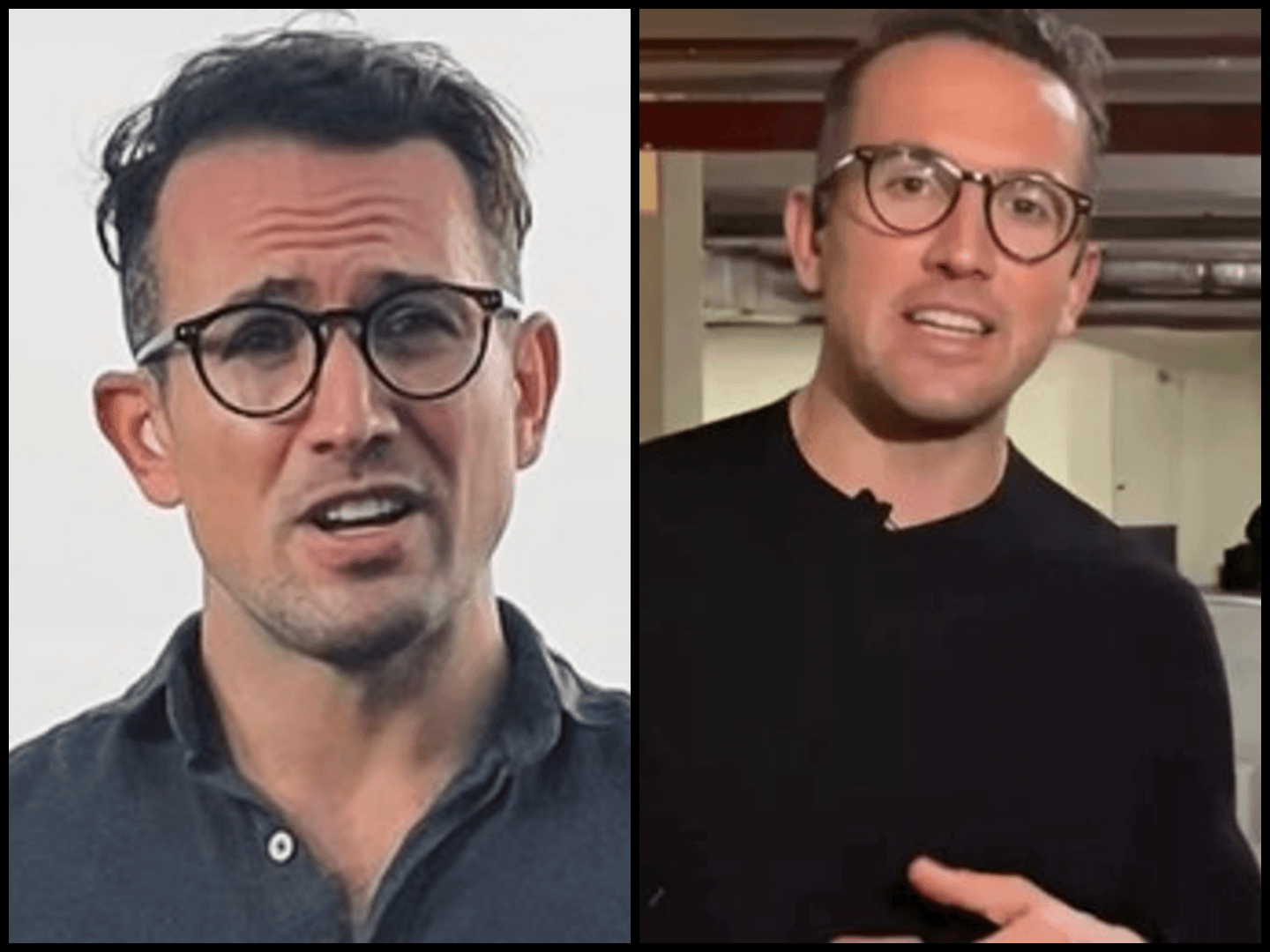
Hugo Bachega is a Brazilian-born BBC journalist known for delivering clear and calm reporting from some of the world’s most dangerous conflict zones. The work of hugo bachega has become widely recognised for its accuracy, especially during fast-moving global crises such as the war in Ukraine and ongoing tensions across the Middle East.
In an era where breaking news often spreads faster than verified facts, hugo bachega stands out for his careful, on-the-ground journalism that prioritises clarity, human impact, and verified information. His reporting style reflects discipline and restraint, offering audiences a reliable view of events as they unfold.
Hugo Bachega and His Early Background
Hugo Bachega was born in São Paulo, Brazil, a city known for its cultural diversity and fast-paced media environment. Growing up in this setting helped shape his interest in international affairs and storytelling from an early stage.
Before becoming a familiar face on global television, he began his journalism career in Brazil, developing his reporting skills in a highly competitive media landscape. Like many international correspondents, he later transitioned into global news organisations, building experience across different reporting environments.
The early foundation of hugo bachega’s career reflects a gradual shift from local journalism to international reporting, a path commonly seen among journalists who later join major broadcasters such as the BBC.
Career Development at BBC News
The career of hugo bachega took a significant step forward when he joined BBC News, one of the world’s most trusted broadcasting organisations. At the BBC, he became a foreign correspondent, a role that involves reporting from regions affected by war, political instability, and humanitarian crises.
This position requires not only strong journalistic skills but also the ability to work under pressure in unpredictable environments. Over the years, hugo bachega has developed a reputation for remaining composed during breaking news situations, often reporting live from rapidly changing locations.
His assignments have placed him at the centre of major international news events, where accuracy and timing are critical. Through his work, he has become a trusted voice for audiences seeking verified information during global crises.
Hugo Bachega Reporting from Conflict Zones
One of the defining aspects of hugo bachega’s journalism is his presence in active conflict areas. Unlike studio-based reporters, he frequently reports directly from affected regions, offering first-hand insight into real conditions on the ground.
His coverage of the Russia–Ukraine war brought international attention to the human consequences of the conflict. From cities experiencing heavy damage to areas facing displacement, his reports highlight how ordinary people are affected by large-scale political decisions.
In addition to Ukraine, hugo bachega has reported extensively from the Middle East, where political tensions and humanitarian challenges remain ongoing. His field reporting often captures both the complexity of regional conflicts and the daily struggles of civilians living through them.
Reporting Style and Professional Approach
The reporting style of hugo bachega is often described as calm, factual, and observational. Instead of focusing on dramatic language, he prioritises clear descriptions of events as they happen. This approach is especially important in conflict journalism, where misinformation can spread quickly.
His work reflects a strong focus on human stories. Rather than concentrating only on political leaders or military developments, hugo bachega often highlights how conflicts affect families, communities, and everyday life. This adds emotional depth without compromising factual accuracy.
According to international reporting standards widely followed by organisations like BBC News, this balance between clarity and neutrality is essential for maintaining trust with global audiences.
Hugo Bachega in Ukraine and Eastern Europe Coverage
During the ongoing war in Ukraine, hugo bachega has been one of the journalists reporting directly from affected areas. His coverage has shown the realities of war beyond headlines, including destroyed infrastructure, refugee movement, and civilian resilience.
Reporting from such environments requires not only technical preparation but also physical caution and situational awareness. His field reports help viewers understand the immediate consequences of conflict in real time.
Through consistent updates from Ukraine, hugo bachega has contributed to international awareness of the humanitarian impact of the war, offering context that goes beyond political statements.
Middle East Reporting and Regional Insight
Another major focus of hugo bachega’s work is the Middle East, a region known for its long-standing political and social complexities. Based on assignments in and around Beirut, he has covered regional tensions, diplomatic developments, and humanitarian crises.
His reporting from this region reflects the interconnected nature of Middle Eastern politics, where developments in one country can quickly affect neighbouring states. This requires not only reporting skills but also a deep understanding of regional dynamics.
Over time, hugo bachega has developed strong regional awareness, which allows him to provide clearer context during breaking news coverage.
Public Image and Journalism Values
The public image of hugo bachega is shaped largely by his professionalism and low-profile personal life. Unlike many media figures, he does not seek visibility beyond his reporting work, focusing instead on delivering factual news coverage.
His journalism is grounded in three core principles: accuracy, clarity, and responsibility. These values are especially important in conflict reporting, where information can change rapidly and verification is essential.
By focusing on confirmed facts and avoiding speculation, hugo bachega maintains credibility in environments where misinformation is common. This approach has helped him earn trust among international audiences who rely on BBC News coverage.
Why Hugo Bachega’s Reporting Matters
In today’s fast-moving media environment, journalists like hugo bachega play a crucial role in helping audiences understand complex global events. His reporting provides real-time insights from conflict zones that many people cannot access directly.
By focusing on human stories and verified information, he bridges the gap between global events and public understanding. This makes his work not only informative but also socially significant.
The continued presence of hugo bachega in international reporting highlights the importance of frontline journalism in maintaining global awareness and accountability.
Conclusion
The career of hugo bachega reflects the essential role of modern foreign correspondents in today’s media landscape. Through his reporting from Ukraine, the Middle East, and other conflict regions, he provides audiences with clear, verified, and human-focused news coverage.
His work demonstrates how journalism can remain both factual and deeply human, even in the most challenging environments. As global events continue to evolve rapidly, hugo bachega remains an important voice in international reporting, offering audiences a grounded understanding of world affairs.
FAQs about Hugo Bachega
Who is Hugo Bachega?
Hugo Bachega is a Brazilian-born journalist working as a foreign correspondent for BBC News, known for reporting from conflict zones.
Where is Hugo Bachega based?
He is typically based in the Middle East for BBC assignments, although his work involves frequent travel to different regions.
What is Hugo Bachega known for?
He is known for calm, on-the-ground reporting from war zones such as Ukraine and various Middle Eastern countries.
Does Hugo Bachega share his personal life publicly?
No, he keeps his personal life private, and there is no confirmed public information about his family or relationships.
Why is Hugo Bachega’s journalism important?
His reporting provides verified, real-time coverage from conflict zones, helping global audiences understand complex international events.
