


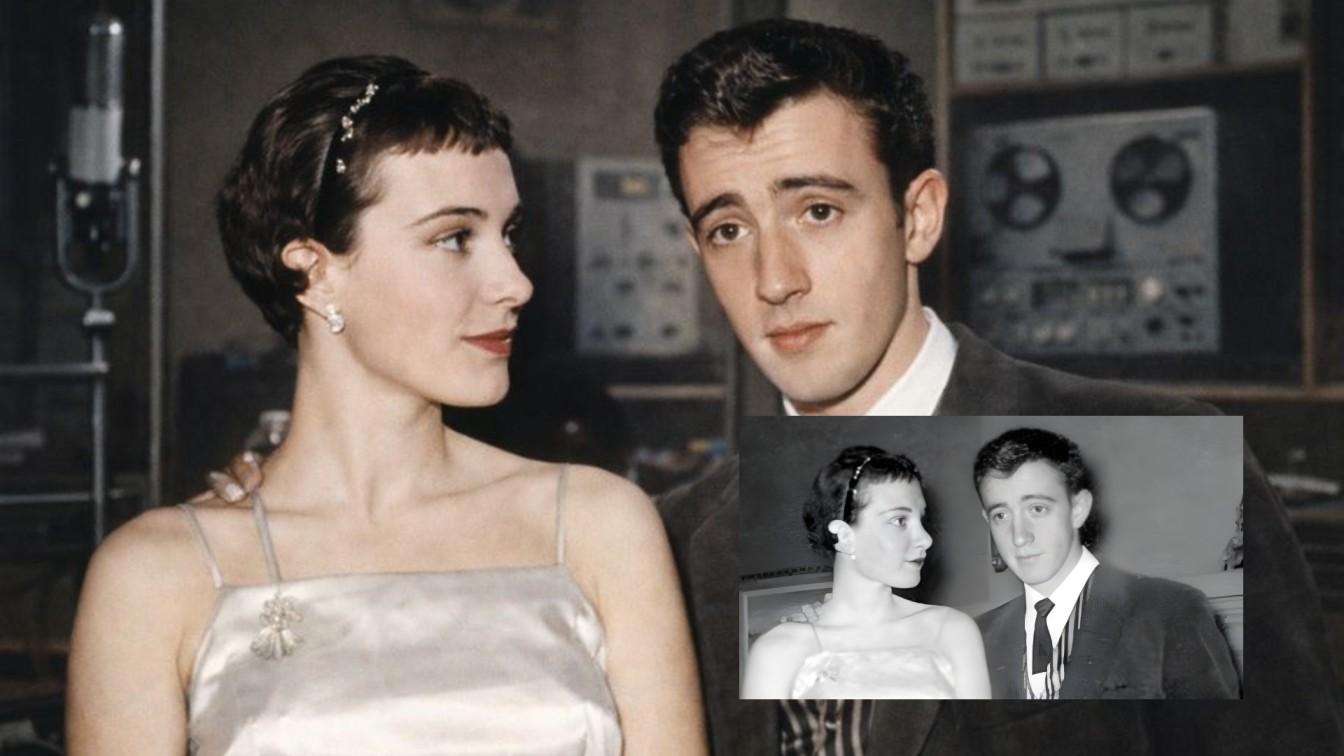
Harlene Rosen is a name that quietly lingers in the footnotes of American cultural history. To many, it conjures thoughts of Woody Allen — the celebrated filmmaker and writer — simply because she was his first wife. Yet this narrow frame obscures more than it reveals. Understanding Rosen’s life requires careful navigation between what is public record and what she, by choice or circumstance, has kept private. Her story touches on early love, personal resilience, and the courage it takes to step out of the spotlight and define a life on one’s own terms.
| Name | Harlene Susan Rosen |
|---|---|
| Date of Birth | November 30, 1939 |
| Nationality | American |
| Early Life | Raised in a supportive family; developed musical interests |
| Musical Talent | Piano |
| Famous Connection | First wife of Woody Allen |
| Marriage Year | 1956 |
| Age at Marriage | 17 |
| Divorce Year | 1959 |
| Children | None |
| Public Life | Largely private after divorce |
| Notable Traits | Dignity, resilience, preference for privacy |
| Legacy | Known for quiet strength and life outside the spotlight |
A Quiet Beginning
Harlene Susan Rosen was born on November 30, 1939, in the United States. She grew up during a time of profound cultural change — the nation was emerging from the Great Depression and heading into the transformative decades of the 1950s and 1960s. While details about her early family life remain sparse in public sources, several biographical profiles note that she was raised in a supportive environment that nurtured her interest in music. Her parents, often reported as Julian and Judith Rosen, provided a home that encouraged creativity and cultural engagement, traits that would shape her path in subtle, enduring ways.
Through these early years, Rosen developed a deep affinity for artistic expression, particularly the piano. Friends and acquaintances described her as thoughtful and composed — someone whose dignity and poise belied her youth. In the context of post‑war America, her interest in music was both typical of young women seeking cultural enrichment and exceptional in the way she pursued it with seriousness and joy.
A Marriage at a Young Age
In 1956, when she was just 17 years old, Harlene Rosen married Woody Allen, then known by his birth name Allan Stewart Konigsberg. At that time, Allen was beginning his career as a comedy writer and performer, writing jokes and material for television and performing stand-up in venues throughout New York City.
Their union drew public attention not because either was famous, but because both were so young and on the cusp of lives that would diverge dramatically. Rosen brought to the marriage her musical talents and quiet support, while Allen pursued his burgeoning career in comedy writing. Some reports suggest that Rosen even played piano alongside him in intimate jazz settings during those early years.
Marrying at such an age is telling of the context — an era when young couples often wed before completing education or truly knowing the shape of their futures. But unlike many teenage unions that fade into obscurity, this one intersected with the life of a man who would become a towering figure in American film and culture.
Life Beside a Rising Star
The years that followed their marriage were formative for Allen. He was part of a generation of writers who brought a new, intellectual voice to American comedy, contributing to television and refining a persona rooted in neurotic observation. His transition from joke writer to stand-up comedian and ultimately to filmmaker was well underway.
During these years, Rosen’s presence was part of the backdrop — not as a public figure, but as a companion in a life that was gradually being pulled toward notoriety. It was a time marked by personal growth, artistic exploration, and the challenges of young marriage under pressure.
While Allen’s career advanced, Rosen’s life remained deeply personal. She was never thrust into the roles that many celebrity spouses find themselves in today — no glamorous premieres, no interviews, no magazine profiles. Her presence was quieter, rooted in the everyday rhythms of support and shared life that tend not to make headlines, but that shape people’s characters in fundamental ways.
The End of a Union and Its Aftermath
By 1959, the marriage between Rosen and Allen had ended. The separation and subsequent divorce were public not for their drama, but for what followed — Allen’s treatment of Rosen in his material. In the years after their split, Allen publicly referred to her in his stand-up routines, once famously calling her “the Dread Mrs. Allen.”
The jokes extended into a television interview and a 1960s comedy album, where Allen made comments about Rosen that crossed from humor into personal attack. These remarks reportedly stemmed from a deeply hurtful experience that Rosen endured, and they prompted her to take the rare step of suing Allen for defamation. Her decision to pursue legal action was an assertion of dignity and self-respect in a moment that could have easily been dismissed as a footnote in another person’s narrative.
For Rosen, the aftermath of divorce was not a public spectacle but a deeply personal period of reinvention and retreat from public view. She chose a life marked by privacy and poise rather than continuing to inhabit the spotlight cast by her ex-husband’s growing fame. This choice, though it leaves historians and biographers with far fewer records to draw on, speaks to her character and priorities.
A Life of Silence and Strength
One of the most striking aspects of Rosen’s story is how little of it is documented in widely accessible public records. After the mid-20th century, there are no mainstream interviews, academic contributions, or artistic careers credited to her name. Unlike many figures connected to famous partners, Rosen did not seek the spotlight or construct a public persona around her experiences.
Instead, accounts that exist describe her as a woman who valued privacy, dignity, and inner life far more than public acclaim. She stepped away from public scrutiny at a time when most people would have been eager to capitalize on it. This retreat into private life is itself a testament to her resilience and sense of self — a reminder that not all personal legacies are written in headlines or film credits.
What We Know — and What We Don’t
In the years since her divorce, most details about Rosen’s life have remained private. There is no verified public record of her professional pursuits, family life after the 1960s, or personal reflections on her experiences. Sources provide fragments — a reported birthdate, a love of music, parents’ names — but such details often cannot be confirmed through independent records. They paint a picture of a woman shaped by her early experiences but not defined by them, someone who lived a life of quiet dignity beyond the headlines.
In many ways, the opacity of her later years is part of her story — a reminder that personal experience does not always translate into public narrative.
Lessons from a Life Less Visible
The life of Harlene Rosen, as much as it can be known through fragments and respectful reconstruction, offers subtle but powerful lessons:
- Not all meaningful lives are publicly documented. Some people choose a life of privacy and personal integrity over public visibility.
- Resilience comes in many forms. Rosen’s decision to pursue legal recourse and then step away from the spotlight reflects personal strength in the face of hurt and public intrusion.
- Love and identity are not synonymous with fame. Her early marriage is often what brings people’s curiosity, yet her legacy need not be bound to it.
- Privacy can be a form of empowerment. Choosing not to narrate one’s life for public consumption is itself a powerful statement about self and agency.
These themes resonate beyond Hollywood lore, speaking to universal experiences of love, loss, identity, and choice.
A Legacy of Human Dignity
The story of Harlene Rosen is not a footnote in someone else’s biography. It is a reminder that human lives — especially those lived outside the spotlight — contain depth, choice, and quiet strength. Though much about her remains unknown, the contours of her life that are visible reveal a woman who navigated early romance, public intrusion, and personal reinvention with dignity and resolve.
Rosen’s journey underscores that some lives are best understood not through the lens of fame, but through the quieter measures of character, choice, and self-defined identity.
